







Search Results for: landrace varieties
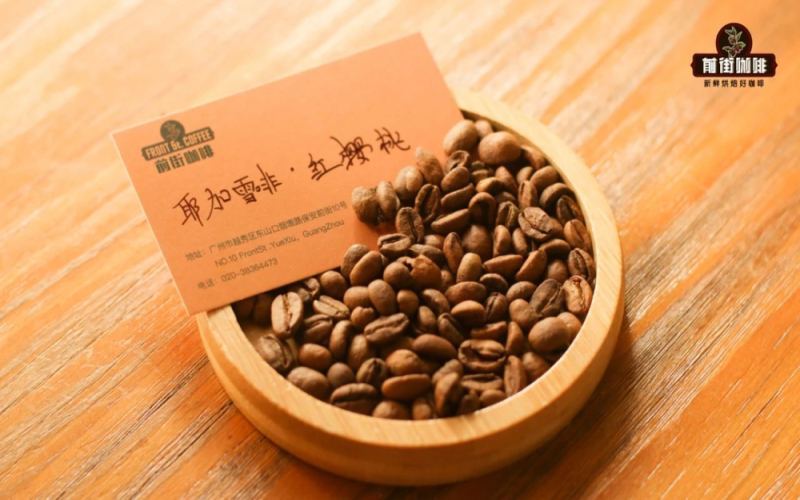
Ethiopian Coffee Bean Label Guide: Differences Between Heirloom, Landrace, and Regional Varieties, and G1 Bean Recommendations
When selecting Ethiopian coffee, the variety labels on the packaging often leave people confused: Heirloom is translated as "native species" or "heirloom," and in recent years the term Landrace (local variety) has also appeared. What exactly do these names refer to? What is the relationship between them? This article will start from the garden farming model of Ethiopian coffee, clarify the concept of Heirloom as a mixed lot, explain how Landrace is selected, identified, and harvested separately from the field, and also recommend Front Street Coffee's Kaffa Forest G1 washed beans, as well as its difference from Panama Geisha. [more…]
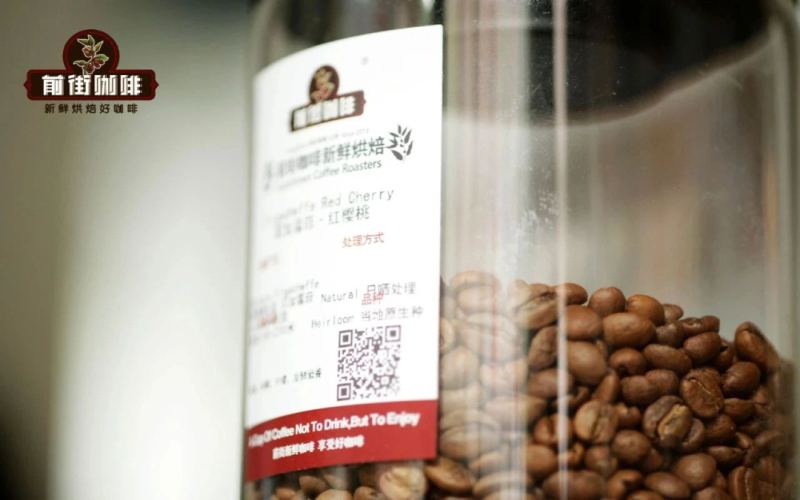
Heirloom and Landrace on Ethiopian Coffee Labels: How Exactly Do We Distinguish Native Varieties from Landraces?
Friends who frequently buy Ethiopian coffee beans are certainly familiar with the variety label "Heirloom," usually translated into Chinese as "native species" or "heirloom." But in the past two or three years, another term has quietly appeared on the packaging of some Ethiopian beans—"Landrace." What exactly is the relationship between it and Heirloom? Are they different names for the same thing, or two completely different concepts? In this article, Front Street will take a careful look at the origins and evolution of Landrace local varieties, starting from Ethiopia's garden planting system, sorting out the mixed-harvest nature of Heirloom, then moving on to JARC's work in identifying local varieties, and why more and more international green bean merchants have begun to purchase these varieties with distinctive regional characteristics separately. At the end, we also include information on the Kaffa Forest lot currently sold by Front Street for everyone's reference and comparison. [more…]
Landrace and Heirloom in Ethiopian Coffee Beans: What Exactly Is the Difference Between Native Species and Local Varieties?
When purchasing Ethiopian coffee, the terms "native species" or "heirloom" commonly seen on packaging are already familiar to many, but in the past two to three years, a new term, "landrace," has also begun to appear frequently. What exactly is the difference and connection between the two? This article, from the perspective of Front Street, sorts out the essence of heirloom mixed harvesting, the logic behind the formation of landrace local varieties, and, using the specific case of Front Street Kafa Forest coffee beans, explains the regional story behind variety labeling. At the same time, it will also clarify a common misconception: Kafa Forest and Panama Geisha are completely different things; the former emphasizes the terroir of the origin, rather than a specific variety. [more…]

An Analysis of Ethiopian Heirloom and Landrace Coffee Varieties: Native Species Characteristics and the Evolution of Their Naming
When you look at the origin information on a bag of Ethiopian coffee beans, the variety field often says "Heirloom." What exactly does this mean? It is actually a collective term for Ethiopia's local heritage varieties, and it is estimated that there are tens of thousands of native coffees in the region that have not yet been formally identified. This article will systematically sort out the differences between Heirloom and Landrace, from the meaning of the terms, classification, and flavor expression to naming trends, and also introduce the meaning of the numbering of JARC-bred varieties. The article also combines several beans from Front Street Coffee to explain the reasons why Ethiopian beans vary in size and why their flavors change from year to year, helping you gain a more comprehensive understanding of the variety diversity of this birthplace of coffee. [more…]
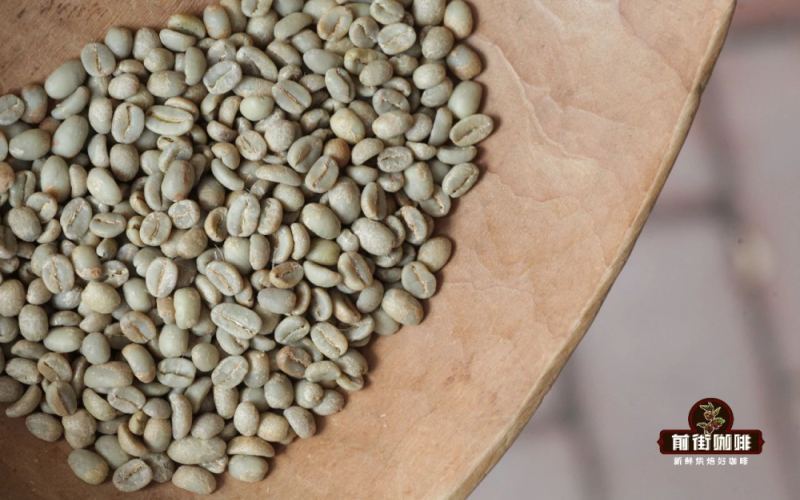
Ethiopian Heirloom Coffee Beans Explained: Differences from Landrace Varieties and Grading Standards
Ethiopia, as the birthplace of coffee, boasts an astonishing variety of cultivars, with nearly 2,000 varieties recorded to date, of which 1,927 are native varieties. Ethiopian coffee beans commonly found on the market are mostly labeled as Heirloom native varieties, but in recent years Landrace local varieties and numbered varieties have gradually gained popularity. In this article, Front Street Coffee will systematically sort out the definition, classification, and identification challenges of Heirloom native varieties, analyze the origins of Landrace and numbered varieties, and introduce in detail Ethiopia's coffee bean grading standards. Finally, it recommends a number of Front Street selected Ethiopian native varieties, covering well-known products such as Gedeb, Red Cherry, Woka, Aricha, and Huakui 5.0, with roasting and brewing data shared as well. [more…]
Ethiopian Coffee Flavor and Bean Variety Grading Explained: A Comprehensive Analysis of Heirloom Varieties, Regional Landraces, and Numeric Varieties
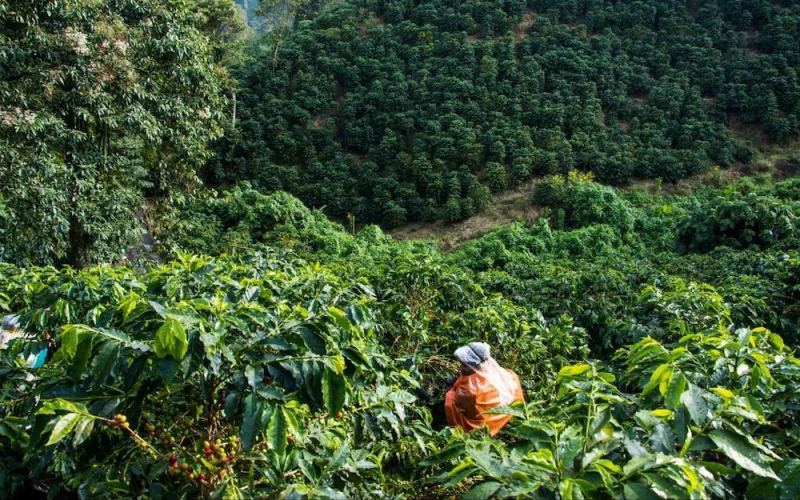
As the birthplace of Arabica coffee, the forests of southwestern Ethiopia nurture countless coffee varieties, which gives the local coffee a unique flavor that is hard to replicate. Because the varieties are extremely diverse, it is difficult for the government to name them one by one, so they are mostly referred to collectively as "heirloom varieties." On this basis, regional varieties and numbered lines beginning with 74 and 75 have also emerged. The grading of Ethiopian coffee beans is based on the number of defective beans, with five grades from G1 to G5, among which G1 and G2 are the highest quality. This time, Front Street Coffee uses washed Yirgacheffe G2 as the representative everyday coffee of the Ethiopian region, presenting the classic flavor of intertwined citrus, white flowers, honey, and tea-like notes, and also includes pour-over suggestions and bean-resting instructions to help coffee lovers gain a more complete understanding of the charm of Ethiopian coffee. [more…]
The Origin of African Coffee: Ethiopia's Coffee Variety System, Grading Standards, and Yirgacheffe Brewing Guide
As the birthplace of Arabica coffee, Ethiopia nurtures a highly distinctive regional flavor profile thanks to tens of thousands of native varieties in its southwestern forests. This article will start from the variety classification system, analyze the differences between landraces and the 74/75 numeral series, explain the G1 to G5 defective bean grading standards, and provide an in-depth analysis of the flavor performance of washed Yirgacheffe G2. At the same time, Front Street Coffee will share the specific parameters for the V60 three-pour brewing method, including adjustment ideas for grind size, water temperature, and coffee-to-water ratio, to help coffee lovers gain a more complete understanding of the unique charm of Ethiopian coffee. [more…]
The Colombian Sidra Favored by WBC Champions: Variety Origins, Genetic Lineage, and Flavor & Brewing Analysis
In the past two years, a coffee variety called "Sidra" has rapidly risen to fame in the specialty coffee circle. Two WBC champions each won with Sidra lots from Colombia's Palma y El Tucán estate and Finca El Diviso, propelling this experimental variety—once relegated to the fields—onto the world stage. In Spanish, Sidra means apple juice or cider. It is generally considered a hybrid descendant of Typica and Red Bourbon, but WCR genetic identification shows it is closer to Ethiopian landraces, and its origins remain unclear to this day. In this article, Front Street Coffee will sort through Sidra's origin story, genetic research, plant characteristics, and flavor performance, and share a cupping experience and pour-over recommendations for Finca El Diviso's anaerobic natural Sidra, giving you a comprehensive understanding of this champion variety that combines floral aromatics with high-sweetness fruit notes. [more…]
Why Can Sidra Coffee Beans Become Championship Beans? A Detailed Guide to Brewing Colombia Finca La Divisa Sidra
Sidra rose to fame after the 2022 World Coffee Championships and has become a highly anticipated variety in the specialty coffee world. It originated in Ecuador, and genetic identification shows it is closer to Ethiopian landraces, with a flavor profile known for rich fruitiness and floral notes. The Sidra in Front Street Coffee's bean lineup comes from Colombia's Finca El Diviso, uses anaerobic natural processing, and is the same coffee used by the 2022 World Coffee Championships champion. This article will review Sidra's varietal background and genetic research conclusions, and for this more deeply fermented bean, provide specific V60 three-pour brewing parameters and operational key points to help enthusiasts recreate at home the layered complexity of grapes, passion fruit, apricot, and floral notes. [more…]
2024 Panama BOP Multivariety Category Champion Chiroso: The Rise of a Variety from Urrao, Colombia to Panama's Hacienda Dark Moon
In the 2024 28th Best of Panama (BOP) competition, Hacienda Black Moon's Chiroso submission scored 94.1 points to take the top spot in the multi-variety category, continuing this variety's impressive run on the international stage in recent years. Chiroso originates from Urrao in Antioquia, Colombia, and won the 2014 Colombia COE; it has since gradually been introduced to Panama and elsewhere. Its genetic background was once mistakenly thought to be related to Caturra, but research later confirmed that it is related to Ethiopian landraces, though it is not a natural mutation of Caturra. Chiroso beans are pointed and elongated, with prominent floral and fruity notes and complex acidity; its flavor is often compared to Geisha, with a fuller body. This article will sort through the variety's origin, spread, plant characteristics, and flavor performance, and introduce its roasting potential, providing coffee lovers with a complete variety profile. [more…]
Exploring Ethiopia's Gesha Village: A Full Analysis of the Origin, Processing, and Flavor of Gori Gesha Natural Landrace
Gesha Village is a green coffee brand that has attracted much attention in the specialty coffee world in recent years, and its Gori Gesha natural heirloom is especially sought after by many coffee enthusiasts. This article will take you deeper into the founding story of Gesha Village, the unique terroir of the Bench Maji production area, the discovery journey of the Gori Gesha forest, and the quality control details of the natural processing method. From green bean analysis to roasting curves, and then to cupping flavors and brewing suggestions, this is a comprehensive breakdown of this natural Gesha from the birthplace of Gesha. Front Street Coffee will also recommend suitable brewing parameters to help you recreate that captivating floral and fruity aroma and bright acidity at home. [more…]
A Complete Analysis of Ethiopia's Nine Major Coffee Regions: Yirgacheffe, Sidamo Native Species Flavors, and Front Street Roasting & Brewing Guide
As the birthplace of Arabica coffee, Ethiopia is home to the world's largest coffee gene pool. Its nine specialty regions each possess a distinct terroir character, from the citrus and floral notes of Yirgacheffe to the wild, complex aromas of Harrar, from the rich fruity tones of Sidama to the sandalwood finish of Limu, presenting an astonishing spectrum of flavors. This article systematically reviews the altitude, processing methods, and flavor characteristics of Ethiopia's various regions, offers an in-depth interpretation of the variety classification logic behind Heirloom landraces, including the origins of the JARC series, Dega, and Kurume, and, combined with Front Street Coffee's Huakui roasting curve and V60 brewing parameters, provides coffee lovers with a complete guide from origin to cup. [more…]
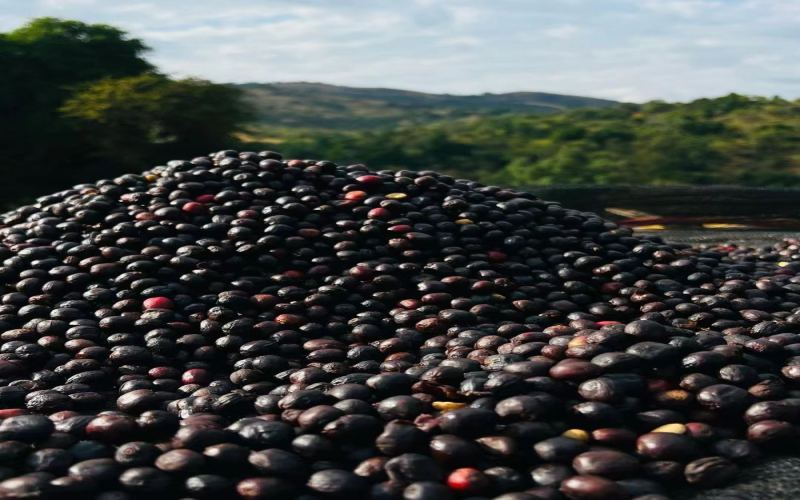
Ethiopian Coffee Variety Analysis: Characteristic Differences Between the Native Heirloom Variety and the Numerically Bred Varieties 74158, 74112, and 74110
Ethiopia, as coffee's genetic treasure trove, has a variety system far more complex than one might imagine. The Heirloom native variety label commonly seen on the market is actually a collective term for mixed-harvest varieties, not a single specific variety. The numeric codes such as 74110, 74112, and 74158 that have frequently appeared in recent years originate from JARC's disease-resistant breeding program in the 1970s. This article will systematically sort out the classification of Ethiopian coffee cultivation models, the essential meaning of Heirloom, the origin of the 74-series numeric varieties, and the identification and naming of Landrace local varieties, helping coffee enthusiasts understand the variety information on Ethiopian coffee bags. [more…]
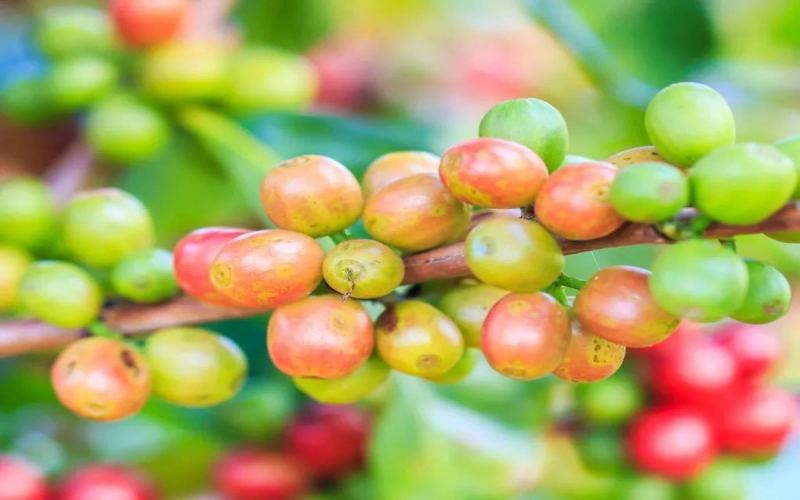
A Complete Guide to Arabica Coffee Varieties: From Typica to Landrace—Specialty Flavors and Recommendations
Arabica and Robusta are the two most common coffee varieties on the market, with the former becoming the mainstream of specialty coffee thanks to its delicate flavors and rich aromas. This article begins with the differences between the two, then systematically sorts out the main members of the Arabica family—Typica, Geisha, Bourbon, Caturra, and Ethiopian heirloom varieties—analyzing each one's origin, characteristics, and flavor profile. At the same time, drawing on recommended products from Front Street Coffee, it helps coffee lovers understand how variety and terroir together shape the final taste of a cup of coffee. [more…]
Exploring Ethiopia's Gesha Village: A Complete Analysis of the Gesha Gori Heirloom Natural Flavor and Processing
Geisha is now a star variety in the specialty coffee world, but few people know that its place of origin is actually Ethiopia. Gesha Village, located in the Bench Maji region, is the estate established by the Overtons after rediscovering wild Geisha in the Gori Gesha forest. This article will take you through the story of Gesha Village's creation, its strict quality control system, its natural processing method, and the roasting and brewing analysis of this Gesha landrace Gesha Gori recommended by Front Street Coffee. From the producing region background to the cup profile, from the green bean appearance to the extraction parameters, this article presents the charm of this unique coffee in full. [more…]
Flavor Characteristics and Brewing Guide of Ethiopian Gesha Village Gesha Gori Natural Heirloom Coffee Beans
Gesha Village Coffee Estate, located in the Bench Maji zone of Ethiopia, is a green coffee brand that has attracted much attention in the specialty coffee world in recent years. Its naturally processed Gori Gesha landrace, with its unique floral and fruity aroma and delicate mouthfeel, has become highly sought after by many coffee enthusiasts. This article will guide you through the founding background of Gesha Village Coffee Estate, the discovery journey of the Gori Gesha forest, the estate's strict quality control system and processing methods, and provide an in-depth analysis of this coffee's green bean characteristics, roasting curve, and cupping flavor performance. At the same time, Front Street Coffee will also share brewing suggestions and parameters for this Gesha to help you better present its multi-layered flavor charm at home. [more…]
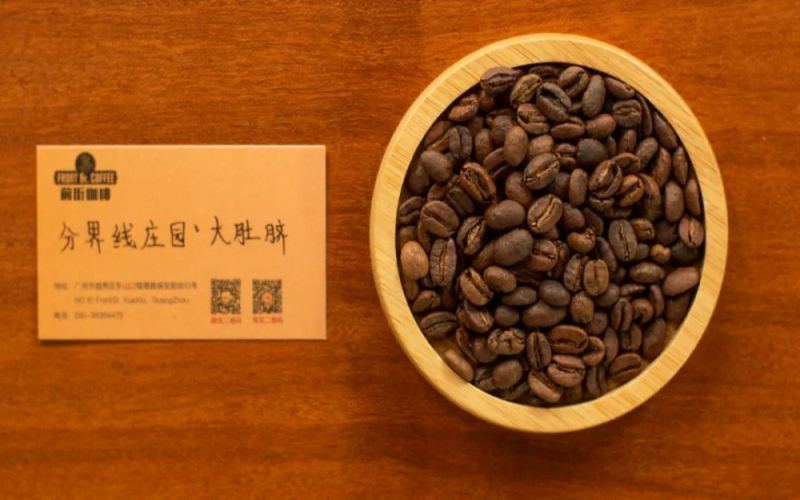
Colombia Finca La Divisa Ombligon Coffee: Variety Origin, Thermal Shock Fermentation Process, and Flavor Analysis
On the stages of the 2023 WBC finals and the WBrC in Chicago, a Colombian coffee variety named "Ombligon" appeared frequently, drawing industry attention. It comes from Finca El Diviso in the Huila region; its fruit resembles a papaya with a small ring at the bottom, and its name derives precisely from this. Genetic research shows it is related to Ethiopian landraces, yet it is a unique variety formed through natural mutation in Colombia. Finca El Diviso has tailored a processing protocol for Ombligon that includes hot-water flotation, sealed fermentation, and sugar-solution-activated yeast—known in the industry as "thermal shock fermentation"—allowing this bean to display layered fruit flavors reminiscent of grapes, oranges, blueberries, and pineapple juice. In this article, Front Street Coffee will guide you through a comprehensive understanding of Ombligon's varietal characteristics, estate background, processing details, and pour-over recommendations. [more…]
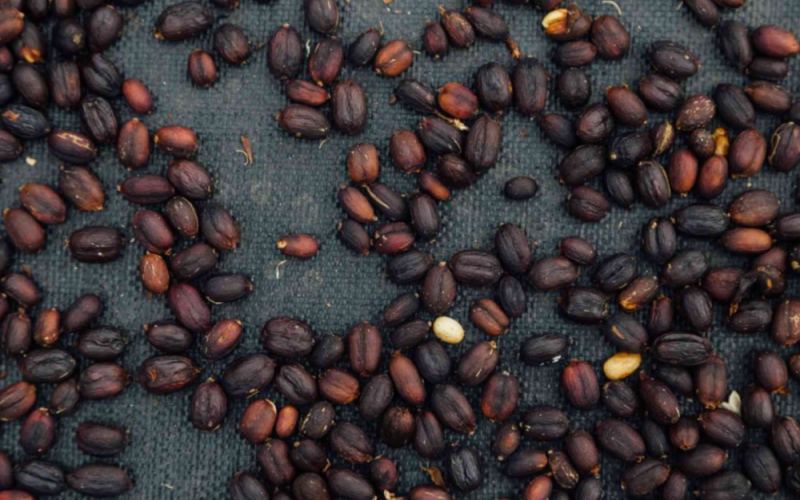
What exactly is the origin of the Chiroso that fetched the highest price in the BOP multi-variety category?
Chiroso has achieved numerous successes in competitions such as LOD and COE in recent years, and this year it even secured the highest price in the multi-variety group at the BOP global auction at $488 per kilogram. This variety originates from Urrao in Antioquia, Colombia; its plant appearance resembles Caturra, yet its bean shape is closer to Bourbon, and it gets its name from the disordered arrangement of its leaves. It was once mistaken for a natural mutation of Caturra or Bourbon, until 2021 when COE organizers confirmed through genetic testing that its lineage is an Ethiopian landrace. This article will outline Chiroso's discovery location, terroir conditions, flavor performance, and naming process to help you gain a comprehensive understanding of this highly anticipated coffee. [more…]
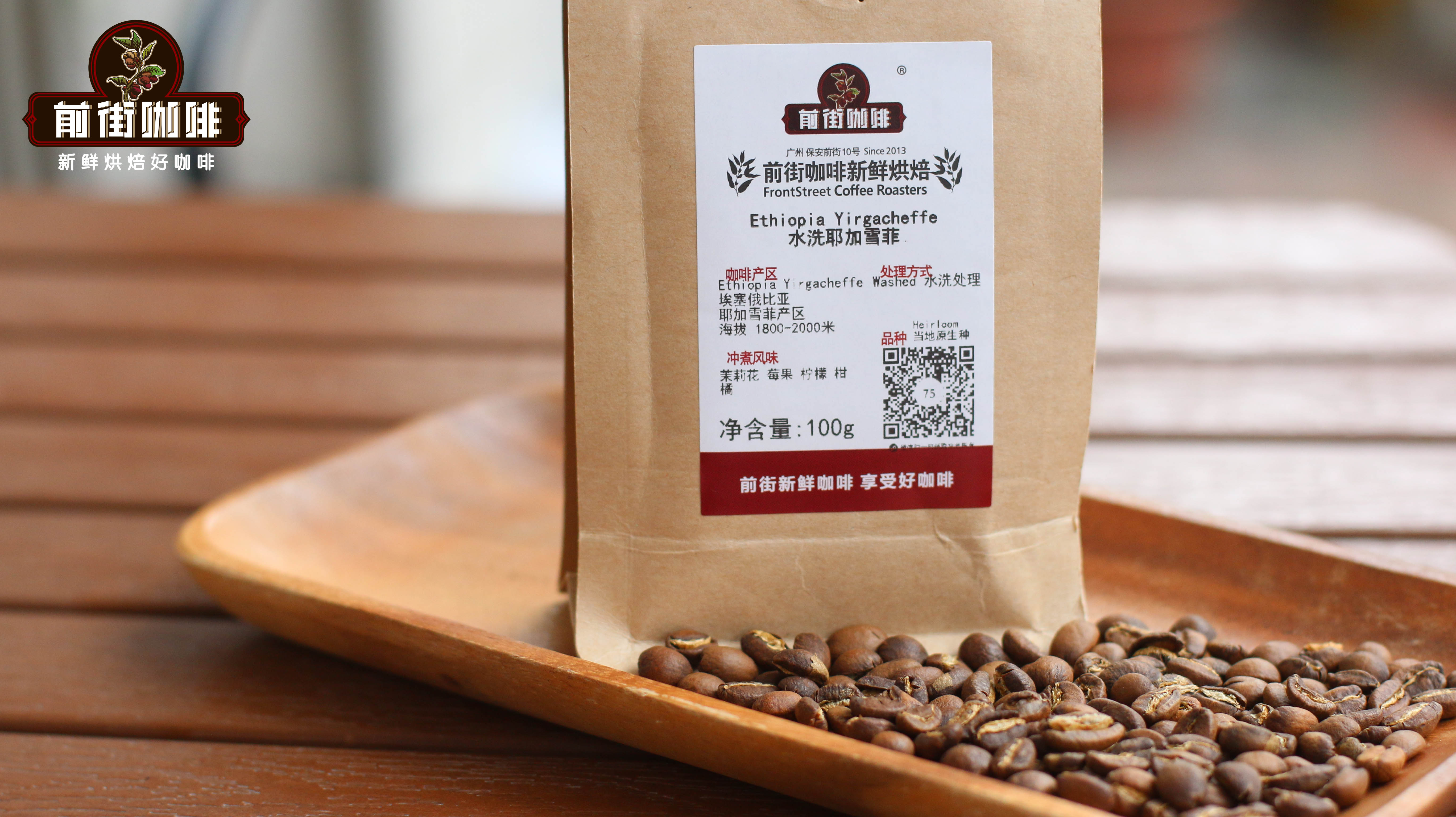
A Comprehensive Analysis of Ethiopian Yirgacheffe Coffee Bean Varietal Characteristics, Flavor Grading, and Pour-Over Parameters
Yirgacheffe is Ethiopia's most iconic specialty coffee region, and its coffee beans vary in size, often leading to the mistaken belief that they are of poor quality. This article begins with variety classification, explaining the origins of Ethiopia's native Heirloom varieties and introducing the differences between JARC varieties and regional landrace varieties; it then explains Yirgacheffe's signature citrus acidity, floral aroma, and tea-like sweet aftertaste, as well as their connection to terroir and processing methods; it also outlines the specific standards for defect rates and cupping scores in the ECX grading system; finally, using the washed Gedeb cooperative as an example, it details pour-over key points such as water temperature, grind size, coffee-to-water ratio, and the three-stage pouring technique, providing practical reference for coffee enthusiasts. [more…]
Are Hualkui and Geisha the Same Variety? Unraveling the Origins of Ethiopian Heirloom Coffee
Hunkute Coffee and Geisha Coffee often confuse friends who are new to specialty coffee, as both have shone brightly in international competitions and both names carry a strong Eastern flair. But are they actually the same variety? And what exactly is the concept of Ethiopian heirloom varieties? This article, from the perspective of Front Street Coffee, sorts out the historical origins, variety characteristics, and naming logic of Hunkute and Geisha, and provides detailed product information and pour-over recommendations for Hunkute 8.0 and Small-Bean Hunkute, helping readers clearly distinguish between these two coffee beans with very different styles. [more…]